How to Prevent Damage to Your Dental Crowns
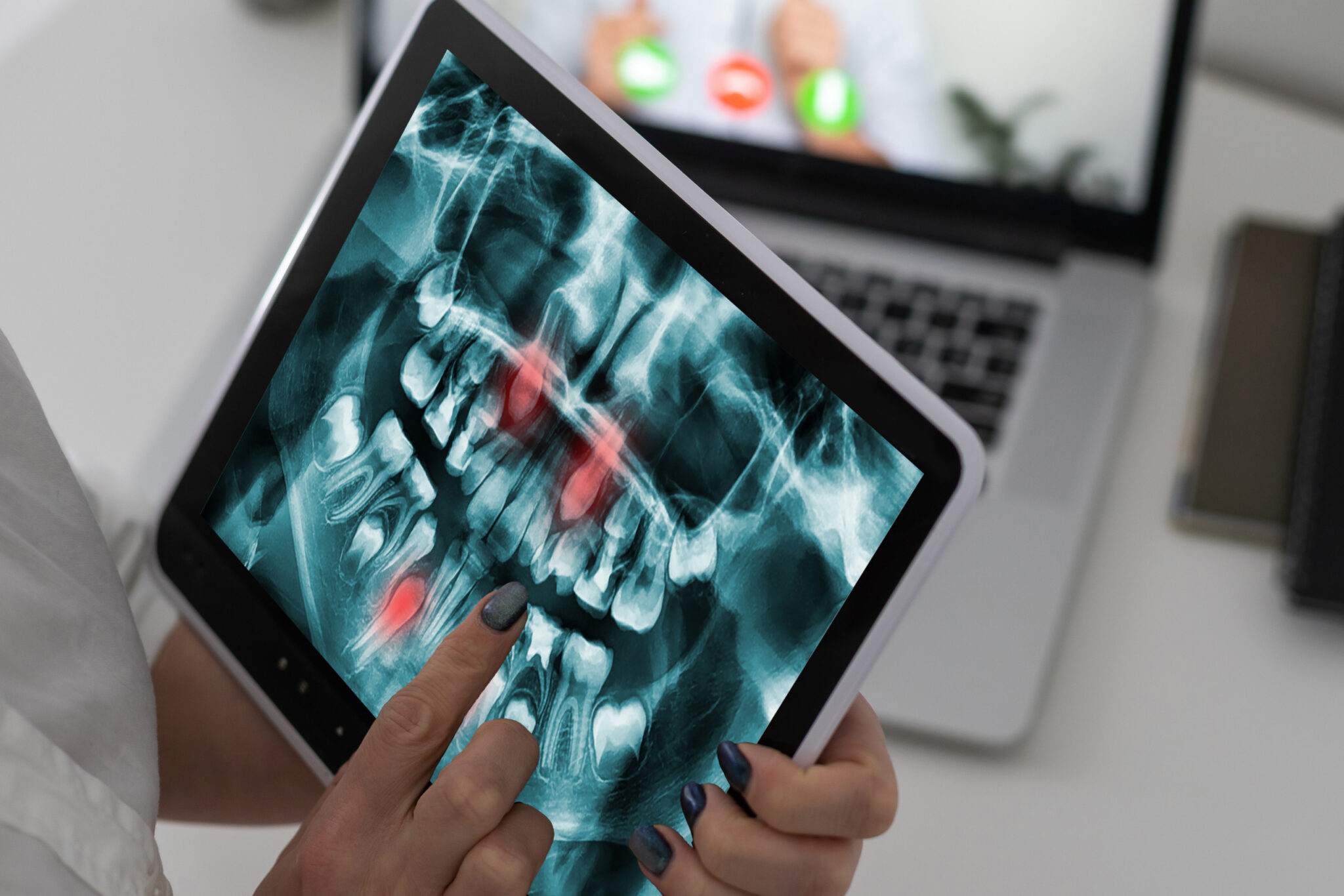
A well-made crown can serve you faithfully for many years. I have seen crowns remain solid and functional well past the ten-year mark, and I have also seen newer ones fail far earlier than expected. The difference is often not the material alone, and not luck. It usually comes down to how the crown is used, how the bite functions, and how quickly small issues are addressed before they become expensive ones.
Dental crowns are strong, but they are not indestructible. That distinction matters. Patients sometimes hear that a crown is made of porcelain, zirconia, ceramic, or metal, and assume it behaves like a natural tooth with armor on it. In reality, a crown is a carefully engineered restoration bonded to a prepared tooth. It relies on that underlying tooth, the surrounding gum tissue, the quality of the cement seal, and your daily habits. If one of those factors slips, the crown is at risk.
Preventing damage starts with understanding what can actually go wrong. Crowns can chip, crack, loosen, wear down, leak at the margins, or hide decay developing underneath. Some fail because of a single hard bite on an olive pit or an ice cube. Others fail slowly, through nighttime grinding, dry mouth, neglected flossing, or a bite that was never quite balanced. The good news is that many of these problems are preventable with straightforward habits and a little vigilance.
What puts Dental Crowns at risk
Most crown damage falls into three broad categories: force, decay, and neglect. Force includes obvious trauma, like biting something unexpectedly hard, but it also includes repeated pressure from clenching and grinding. Decay is less intuitive for patients because the crown itself cannot decay, but the tooth beneath it certainly can, especially at the edge where crown meets tooth. Neglect covers missed cleanings, delayed repairs, and habits that seem harmless until they add up.
The patients who protect their crowns best are usually not doing anything dramatic. They brush well, floss consistently, keep regular dental visits, and pay attention when something feels different. The patients who run into trouble often mention that they "didn't think it was a big deal" when the crown felt slightly high, slightly loose, or mildly sensitive. Those small details are often the first warning.
Material choice also plays a role, but not always in the way people expect. Porcelain-fused-to-metal crowns can be very durable, though the porcelain layer may chip under certain stresses. All-ceramic crowns look excellent, especially in the front of the mouth, but some are less forgiving under heavy force than metal-based options. Zirconia crowns are exceptionally strong and have become a popular choice in back teeth, though they still need proper design and bite adjustment. Even the strongest material can fail if the bite is off or the patient clenches heavily every night.
The everyday habits that do the most damage
A surprising amount of crown damage happens outside the dentist's office and outside meals. People use their teeth as tools more often than they realize. Tearing open a packet, biting fingernails, holding pins, chewing pen caps, crunching ice, and cracking nut shells all create concentrated force in ways crowns do not tolerate well. A natural tooth may also be harmed by these habits, but a restored tooth has less margin for abuse.
Chewing ice deserves special mention because many patients dismiss it as harmless. It is not. Ice is hard, brittle, and unforgiving. Repeated ice chewing can chip porcelain, stress cement seals, and aggravate tiny cracks that are not yet visible. Popcorn kernels are another common culprit. The damage often happens when someone bites down casually and hits one unpopped kernel at just the wrong angle.
Night grinding is quieter but more destructive over time. People often do not know they grind until a partner mentions the sound or a dentist notices wear facets and sore jaw muscles. Crowns, particularly on molars, absorb enormous force during clenching episodes. Even if the crown does not fracture outright, the stress can irritate the ligament around the tooth, loosen the cement bond, or wear down opposing teeth.
Acid exposure can contribute in a more indirect way. Acidic drinks do not dissolve a crown in the way they can weaken enamel, but frequent acid exposure can affect surrounding tooth structure and create a more decay-prone environment around the crown margins. Add dry mouth, which reduces the mouth's natural buffering and cleansing effect, and the risk rises further.
Why the edge of the crown matters so much
When patients hear that a crown is secure, they often picture a seamless cap that completely seals the tooth forever. Clinically, the margin is far more nuanced. The margin is the fine boundary where the crown meets the natural tooth. That line has to remain as clean and stable as possible. If plaque accumulates there consistently, the gum can become inflamed, the area becomes harder to clean, and decay may start at the exposed tooth structure around the edge.
This is one of the more frustrating truths about crowns. A beautifully made crown can still fail because the tooth underneath develops recurrent decay at the margin. Patients are sometimes shocked to hear they have a cavity "under a crown," but what usually happens is decay starts at the edge and tracks inward. That kind of damage is not always painful early on. By the time it is obvious, the tooth may need a new crown, a root canal, or in severe cases, extraction.
That is why daily cleaning is not cosmetic maintenance. It is structural maintenance.
Brushing and flossing, done the right way
People sometimes become tentative around a crown, especially if it was recently placed or if they had a bad experience with a temporary crown coming off. They brush lightly, avoid flossing that area, or skip it when the gum bleeds. Unfortunately, that caution tends to backfire.
A permanent crown should be brushed as thoroughly as any other tooth, using a soft-bristled toothbrush and fluoride toothpaste. The goal is not aggressive scrubbing. It is thorough plaque removal, especially where the crown meets the gumline. Electric toothbrushes can be especially helpful for patients who tend to rush or miss back teeth.
Flossing is equally important. The technique matters. Slide the floss gently between the teeth, curve it around the side of the crown, and clean beneath the contact point without snapping. If you have bridgework attached to crowns, floss threaders or interdental brushes may be necessary. For some patients with dexterity issues, a water flosser is a practical addition, though it works best as a supplement rather than a total replacement for mechanical cleaning.
If your crown area bleeds during flossing, that usually signals inflammation from plaque rather than a reason to stop. Persistent bleeding, however, should be assessed. Sometimes the contact is too tight, the crown contour traps food, or the gum tissue is reacting to something more significant.
Foods that deserve respect
Most people do not need a joyless diet after getting dental crowns. You can eat normally in most cases. The key is understanding which foods require caution and how to approach them. Sticky foods like caramels and very chewy candies can sometimes tug at a crown, especially if the cement bond is already weakening. Hard foods can chip porcelain or transmit force that causes subtle damage.
If you have several crowns, especially in the back, chewing patterns matter. People often have a "favorite side" and overload it for years. That repeated stress can shorten the life of restorations on that side. Alternating sides, cutting hard foods into smaller pieces, and avoiding sudden force on one tooth all help.
Here are the habits I would prioritize most strongly for crown longevity:
- Do not chew ice, popcorn kernels, or hard candy.
- Do not use your teeth to open packages or hold objects.
- Wear a night guard if you clench or grind.
- Clean carefully around the gumline every day.
- Get a crown checked early if it feels different in any way.
That list is simple, but it covers the majority of avoidable crown damage seen in routine practice.
The hidden role of your bite
A crown can look perfect on an X-ray and still be vulnerable if the bite is off by a fraction. Dentistry is full of millimeters and microns. A crown that contacts slightly too heavily may feel normal at first, then start causing tenderness when chewing, jaw fatigue, or repeated chipping. Sometimes patients describe it as "that tooth gets hit first." That description is often clinically useful.
Bite issues are not always the dentist's fault, nor are they always present from day one. Teeth can shift subtly over time. Grinding patterns can evolve. A new filling or crown on another tooth can change force distribution. Even if your crown has been in place for years, new symptoms can arise because the overall bite has changed.
This is why post-crown adjustments should never be brushed off as minor annoyances. If a crown feels tall, call. If you keep biting your cheek near it, call. If chewing on that side feels different, call. A quick adjustment early can prevent a chip, a crack in the underlying tooth, or chronic inflammation around the root.
Night guards are often the difference between success and repeat repairs
For patients who grind, a custom night guard is one of the most cost-effective ways to protect dental work. I realize that phrase can sound like a sales pitch in some settings, but the clinical logic is straightforward. Grinding generates heavy lateral forces, and crowns are particularly vulnerable to that kind of stress because they are bonded restorations on top of prepared teeth. A well-fitted guard helps distribute and soften those forces.
Over-the-counter guards are better than nothing for some people, but they are bulkier, less precise, and more likely to interfere with breathing or jaw position. Custom guards are designed around your bite and restorations. They are easier to wear consistently, which is what matters. A drawer full of unused appliances protects nothing.
Patients sometimes tell me they do not grind because they have never heard the sound. That is common. Clenching can be silent and just as damaging. Morning headaches, jaw soreness, scalloped tongue edges, and unexplained crown or tooth tenderness all raise suspicion.
Dry mouth and medications can quietly shorten crown life
One factor patients rarely connect to crown problems is dry mouth. Saliva does more than keep the mouth comfortable. It buffers acids, helps wash away food debris, and supports a healthier microbial balance. When saliva flow drops, plaque becomes stickier, cavities develop faster, and crown margins become more vulnerable.
Dry mouth can result from common medications, including some antidepressants, antihistamines, blood pressure drugs, and sleep aids. Mouth breathing, certain medical treatments, dehydration, and autoimmune conditions can contribute as well. If you wake with a dry mouth, sip water constantly, or notice that food sticks more than it used to, it is worth mentioning at your dental visit.
Managing dry mouth may include hydration, sugar-free xylitol products, fluoride therapy, and adjustments to oral hygiene products. The exact plan depends on the cause. What matters is recognizing that the environment around your crowns influences their survival.
Temporary crowns need more caution than permanent ones
Not all crown damage happens after the final restoration is cemented. Temporary crowns are intentionally less durable. They are there to protect the prepared tooth and preserve spacing while the final crown is being made. Patients often assume a temporary is close enough to the real thing and bite into tough foods without thinking. Then it dislodges, cracks, or allows the tooth to shift before the permanent crown appointment.
If you are wearing a temporary crown, avoid sticky foods and chew carefully on that side if advised by your dentist. Floss gently, often sliding the floss out to the side rather than pulling straight up if your dentist recommended that approach. A lost temporary is not always an emergency, but it should be reported promptly because delay can complicate the fit of the permanent crown.
Sports, accidents, and the crowns people forget to protect
Athletic injuries are an obvious risk for front teeth, but I have seen back teeth and crowns damaged in falls, cycling accidents, basketball collisions, and even enthusiastic play with a family dog. If you play contact sports or activities where impact is possible, a properly fitted mouthguard is worth wearing. This is especially true if you have crowns on front teeth, veneers, bridges, or implants. Cosmetic work and trauma do not mix well.
Adults often think mouthguards are for children with braces. They are not. A single impact can fracture a crown, traumatize the root beneath it, or create a crack that does not show up clearly until symptoms appear later.
Signs your crown needs attention
Crowns rarely fail without any warning at all. The warning is often just subtle.
- Pain when biting or releasing pressure
- A new rough edge or chipped feeling
- Sensitivity to cold, heat, or sweets that persists
- Food catching repeatedly around the crown
- A sense that the crown is loose, high, or moving
None of these automatically means the crown must be replaced, but each one deserves evaluation. Sometimes the fix is as simple as polishing a rough spot or adjusting the bite. Sometimes it is recementing the crown if the underlying tooth is still sound. The worst approach is waiting until the tooth breaks more extensively or the decay spreads under the crown.
How professional maintenance protects the crown and the tooth beneath it
Routine dental visits are not just about cleaning stain off the visible surface. They are where early crown problems are caught. A dentist checks margin integrity, gum health, bite contacts, and X-ray evidence of decay around or beneath the restoration. A hygienist often notices inflamed areas, trapped plaque, or bleeding patterns that point to trouble before the patient feels pain.
For most people, six-month visits are appropriate, though some need shorter intervals because of dry mouth, gum disease history, heavy restorative work, or high cavity risk. The interval should reflect your actual risk level, not habit alone.
One practical note that matters: if you know you grind, chip restorations, or break fillings often, tell your dental team every time. That information influences material selection, crown design, and recommendations about protective appliances. The best prevention is tailored https://traviskjcc208.bearsfanteamshop.com/how-dentists-prepare-a-tooth-for-a-dental-crown prevention.
When repair is possible, and when replacement is wiser
Not every damaged crown has to be remade, but not every damaged crown should be patched either. A small porcelain chip in a low-stress area may sometimes be smoothed or repaired with composite. A crown that comes off cleanly may be recemented if the fit is still sound and the tooth underneath is healthy. On the other hand, a crown with recurrent decay at the margin, a crack in the underlying tooth, or persistent bite problems may need full replacement.
Patients naturally prefer the least invasive fix. So do dentists, when it is a durable one. The challenge is avoiding false economy. Recementing a poorly fitting crown with active decay underneath may buy a few months and set up a much larger problem later. Good judgment matters here more than quick fixes.
The long view
If you want your dental crowns to last, think beyond the crown itself. Protect the bite. Protect the gumline. Protect the tooth underneath. Most crowns fail because the supporting conditions deteriorate, not because the restoration spontaneously gives up.
The practical strategy is simple but not casual. Eat with a little more awareness. Stop using teeth as tools. Clean around crowns meticulously. Treat grinding as a real mechanical problem, not a quirky habit. Show up for maintenance. And the moment a crown feels different, get it checked.
That approach is not glamorous, but it is effective. In everyday practice, it is the difference between a crown that quietly does its job for many years and one that turns into a cycle of repairs, sensitivity, and avoidable expense.
Oxnard Dentistry
Address: 1730 E Gonzales Rd, Oxnard, CA 93036
Phone number: +18056049999
FAQ About Dental Crowns Oxnard CA
How long do crowns last on teeth?
Dental crowns typically last 10 to 15 years, but can last 20 to 30 years with excellent oral hygiene. Lifespan depends heavily on the crown material, your daily brushing and flossing habits, and whether you clench or grind your teeth.
What is the downside of crowns on teeth?
The primary downside of dental crowns is that the preparation process is irreversible. To properly fit a crown, a dentist must permanently shave down a significant portion of your natural tooth enamel. This exposes the tooth to potential risks like nerve inflammation, increased sensitivity, and structural weakening.
Why do dentists push for crowns?
Dentists often recommend crowns to save a structurally compromised tooth. If a tooth is heavily cracked, worn down, or has a cavity too large for a filling, a filling will not provide enough structural support, causing the tooth to eventually split. Crowns act like protective helmets, preventing tooth loss.