Emergency Dentist Care for Sudden Dental Injuries at Work
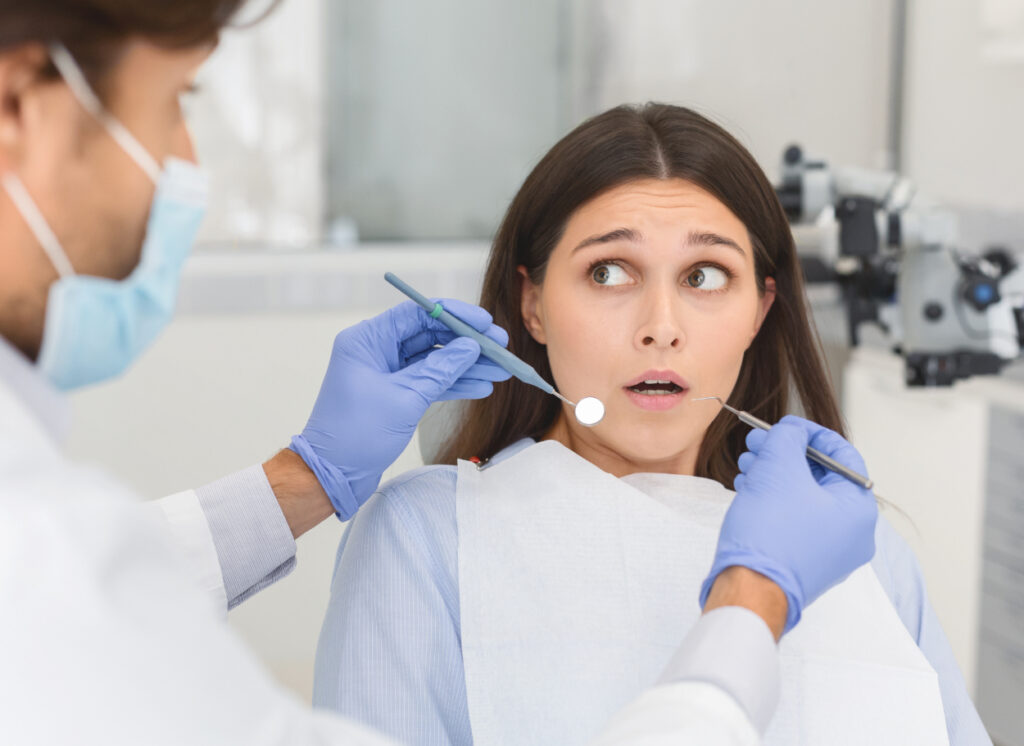
A dental injury at work changes the pace of a day in seconds. One moment someone is lifting stock, climbing a ladder, working a register, unloading tools, or walking across a slick warehouse floor. The next, there is blood in the mouth, a sharp edge where a tooth used to be, or pain that radiates into the jaw and temple. When that happens, people often freeze for a beat because dental injuries do not always look dramatic at first. A cracked tooth can seem manageable until the nerve starts to flare. A tooth that feels only “loose” in the first ten minutes may be in real trouble an hour later.
This is where prompt Emergency Dentist care matters. Workplace dental trauma sits in an awkward category. It is not always treated with the urgency of a broken bone, yet the timing of care can make a major difference to pain, infection risk, function, and whether a natural tooth can be saved. In practice, the first hour is often the most important. Good first aid at the job site, followed by fast evaluation, can turn a permanent loss into a repairable injury.
Why work-related dental injuries deserve immediate attention
People tend to underestimate mouth injuries because the mouth heals quickly and because bleeding can look worse than the actual damage. Both ideas are only half true. Oral tissues do heal well, but teeth do not regenerate. Once enamel fractures, once a root is displaced, or once a tooth is knocked out, the window for the best outcome narrows quickly.
I have seen simple incidents lead to complicated treatment plans. A shipping employee took the corner of a carton jack handle to the front teeth. He thought he had only “chipped one a little.” By the time he was seen later that afternoon, the fracture line had exposed the inner tooth structure and the tooth had become exquisitely sensitive to air. A repair that might have been straightforward in the first hour became a deeper restoration with a guarded long-term prognosis. On the other hand, I have seen a supervisor act fast after a machinist lost a front tooth in a fall. The tooth was retrieved properly, kept moist, and the patient got to an Emergency Dentist quickly. That speed gave the tooth a real chance.
The work setting also adds variables that make dental injuries more complex. There may be contamination from metal dust, grease, dirt, chemicals, or broken equipment. There may be head injury, lip lacerations, or jaw trauma at the same time. A person may be embarrassed and try to “finish the shift,” especially in jobs where staffing is thin or where productivity pressure is high. That instinct can cost them.
The kinds of dental injuries that happen on the job
Not every workplace injury involves dramatic trauma. Sudden dental problems at work can come from a direct blow, a fall, biting on something unexpectedly hard, or even clenching during heavy exertion. The obvious cases are easier to recognize. A front tooth broken by impact, a tooth knocked out entirely, or visible swelling after getting struck by a tool usually gets attention fast. The trickier cases are often less visible.
A cracked molar is common in warehouses, construction environments, restaurants, and manufacturing settings, especially when workers grab quick meals and chew fast between tasks. Someone bites down on an olive pit, bone fragment, or hard candy, and a previously weakened tooth splits. Existing dental work can fail under stress too. Crowns can loosen. Large fillings can fracture. A worker who uses their teeth as a tool, something that still happens more often than people admit, may tear a crown off opening packaging or holding wire.
Luxation injuries, where a tooth is moved out of its normal position without being fully knocked out, are especially important. These teeth may look merely crooked or slightly longer than the neighboring teeth. Patients sometimes describe them as feeling “high” when they bite. That can signal injury to the supporting tissues and requires prompt evaluation.
Soft tissue injuries matter too. A cut lip or cheek can hide fragments of tooth embedded in the tissue. If that is missed, healing becomes painful and delayed. Jaw injuries can also masquerade as “just https://mariowvdm347.huicopper.com/how-to-prevent-a-late-night-trip-to-the-emergency-dentist dental pain.” If the bite suddenly feels off and opening the mouth hurts near the ear or along the jawline, fracture or joint injury has to be considered.
What to do in the first few minutes
The first response at work should be calm, practical, and fast. The goals are to control bleeding, protect the injured area, preserve any tooth or fragment, and get the person evaluated without delay. A trained first aid lead can make a substantial difference here, even before the Emergency Dentist sees the patient.
If there is heavy bleeding, pressure with clean gauze usually helps. If there is facial swelling, a cold compress on the outside of the face can reduce pain and limit swelling. The person should avoid rinsing aggressively, spitting forcefully, or probing the area with fingers or tissue. That is especially important if a clot is forming or a tooth is partially displaced.
When a tooth is knocked out completely, handling is critical. The tooth should be picked up by the crown, not the root. The root surface contains delicate cells that affect whether reimplantation has any chance of success. If it is dirty, a brief gentle rinse with clean saline or milk is better than scrubbing. Scrubbing a tooth that has been avulsed can destroy exactly what the dentist needs intact. If the injured person is alert and able, sometimes the tooth can be placed back in the socket immediately. If that is not realistic, it should be kept moist in milk or a tooth preservation solution if available. Letting it dry out is one of the most damaging mistakes.
Here is the practical triage I would want any workplace lead to know:
- Stop active bleeding with gentle pressure and assess for head, neck, or jaw injury.
- Protect the tooth or fragments, keeping them moist and handling a knocked-out tooth only by the crown.
- Use a cold compress on the outside of the face and avoid heat, vigorous rinsing, or chewing.
- Contact an Emergency Dentist right away, explaining whether the tooth is broken, loose, displaced, or out.
- Escalate to urgent medical care first if there is loss of consciousness, severe facial trauma, uncontrolled bleeding, or trouble breathing.
Those steps are simple, but they are often the difference between salvage and loss.
When the emergency is more than dental
One of the most important judgment calls is knowing when the dental issue is secondary to a larger medical emergency. A person who falls from height and chips a tooth may also have a concussion or neck injury. Someone struck in the face by machinery may have a jaw fracture, orbital injury, or airway risk from swelling. A cracked tooth is not the priority if the patient is vomiting, confused, dizzy, or unable to close the mouth normally.
I have also seen people focus on the missing tooth while ignoring a deep chin laceration or a jaw that has shifted out of alignment. If the bite is suddenly very different, speech is altered, there is numbness in the lower lip, or the person cannot open or close normally, the injury may involve the jawbone. That needs urgent medical assessment, often in a hospital setting, even if an Emergency Dentist will be part of the follow-up.
A good rule is straightforward. If the injury includes altered consciousness, suspected facial fracture, eye symptoms, breathing difficulty, or severe uncontrolled bleeding, emergency medical care comes first. Dental treatment can follow once the patient is stable.
What an Emergency Dentist is looking for
Patients sometimes expect the visit to be only about pain relief, but the real work starts with sorting out what was damaged and what can still be preserved. A thorough emergency dental exam after workplace trauma usually involves more than a quick glance at the broken area. The dentist checks tooth mobility, bite changes, gum and bone support, the status of any restorations, soft tissue wounds, and signs of root or alveolar bone injury. X-rays are often necessary because the visible fracture is not always the full story.
A front tooth broken straight across may also have a root crack below the gumline. A tooth that looks intact may have suffered pulpal trauma and later lose vitality. A displaced tooth can interfere with the bite enough to create additional trauma every time the patient closes the mouth. These details shape treatment.
Immediate treatment may involve smoothing sharp enamel, bonding a fractured edge, repositioning a tooth, splinting mobile teeth, controlling infection risk, or providing temporary protection until definitive care is possible. Sometimes the emergency appointment is mainly about stabilization and pain control, with follow-up over days or weeks. That is not a sign of incomplete care. It is often the safest sequence, especially when tissues are inflamed and the full prognosis is not yet clear.
The difference timing makes for common injuries
A knocked-out tooth is the clearest example of why speed matters. The chance of successful reimplantation is best when the tooth is managed promptly and kept moist. Even then, outcomes vary based on the tooth type, the injury itself, and how the tooth was handled before arrival. Delay makes everything harder.
Fractures also become more complicated with time. Enamel-only chips are often the least urgent, though even they can cut the tongue or lip. Once the fracture extends into dentin, sensitivity rises and bacterial contamination becomes a concern. If the pulp is exposed, treatment urgency increases because pain intensifies and the tooth may require more extensive intervention to remain healthy.
A luxated or intruded tooth, one that is pushed sideways or deeper into the socket, needs rapid assessment because the supporting structures have been injured. These cases are not always dramatic in appearance, but the long-term consequences can be serious if they are ignored.
There are also delayed emergencies. A worker may get through the shift after a blow to the mouth and wake at night with throbbing pain, swelling, or a darkened tooth over the following days. That does not mean the original injury was minor. Some trauma declares itself slowly. A tooth can lose vitality after an impact even if there was no obvious fracture at the scene.
Pain control without making things worse
Most adults want to know the same thing right away: what can I take until I get seen? Reasonable pain control helps, but the details matter. Cold on the outside of the face is often more useful than people expect, especially in the first several hours. Soft foods, avoiding pressure on the injured side, and staying away from very hot or very cold drinks can prevent pain spikes.
Over-the-counter pain relief can be appropriate for many patients, but workplace responders and patients should be cautious about underlying medical issues, allergies, anticoagulant use, and instructions from the patient’s physician. Aspirin is not ideal in some bleeding situations. Topical oral pain gels are often overused and rarely solve much in traumatic injuries. Clove oil remedies, alcohol rinses, and improvised “fixes” from coworkers usually create more irritation than relief.
The mouth also feels strange after trauma, and people often test the injured tooth repeatedly with their tongue or by biting together. That habit can worsen displacement and pain. Once the injury is identified, the best move is to leave it alone and get help.
Documentation and workers’ compensation issues
Work-related dental injuries sit at the intersection of healthcare and employment policy, so documentation matters more than many patients realize. The clinical problem is the priority, but it helps to capture the details while they are fresh. Time of injury, location, mechanism, witnesses, immediate symptoms, first aid provided, and whether any tooth or restoration was recovered should be noted as soon as possible. Photographs can be useful if they are taken safely and respectfully.
From a practical standpoint, dental trauma claims can become complicated when symptoms evolve. A hairline fracture may not be obvious at first. A tooth that tests normal the day of the injury may later develop symptoms that clearly tie back to the workplace incident. Good records from the first visit help establish that chain. Employers should never discourage urgent care in the hope that the problem will “settle down.” Delaying evaluation tends to increase both treatment burden and claim complexity.
For workers, it is worth understanding that the emergency appointment may only start the file, not finish it. Follow-up imaging, root canal therapy, splint removal, crown work, or monitoring of tooth vitality may all become part of the injury course. The need for staged care is normal in trauma cases.
Jobs where dental injuries happen more often than people think
Construction and manufacturing are obvious, but they are far from the whole picture. Restaurant kitchens, gyms, schools, nursing facilities, retail stockrooms, delivery routes, and office spaces all generate dental emergencies. Slips and falls account for a surprising share. So do collisions, whether with equipment, shelving, doors, or other people moving quickly in tight areas.
Healthcare workers can be hit by patients unexpectedly. Teachers and aides working with young children or special-needs populations can be head-butted without warning. Mechanics sometimes suffer injuries from sudden tool recoil. Fitness trainers have been struck by dropped weights and swinging bars. Even administrative staff are not immune. A simple fall on a wet entryway can fracture a front tooth just as easily as a machine-related impact.
That variety matters because it undercuts a common assumption that mouth guards and hard hats solve the problem. Protective equipment helps in some settings, absolutely, but it is not universal protection. Prevention also depends on housekeeping, pace of work, training, footwear, lighting, and plain old fatigue.
The injuries people often dismiss, and regret later
Not every dental emergency screams for attention. Some of the most expensive and painful cases start as something the worker hoped would pass. A “small crack” that only hurts with cold may split further within days. A tooth that feels a little loose may die slowly after trauma. A chipped edge that seems cosmetic may actually involve deeper damage and lead to infection if neglected.
These are the warning signs that deserve prompt professional evaluation:
- A tooth that is loose, pushed out of place, feels longer, or changes the way the bite meets.
- Sensitivity to air, cold, or pressure that is sharp and sudden after an injury.
- Bleeding from the gums around a specific tooth, especially after impact.
- Swelling, throbbing pain, or a bad taste developing hours or days after trauma.
- Cuts inside the mouth that may contain tooth fragments or continue reopening.
I have seen workers tough out all five of those signs. They rarely come out ahead by waiting.
What recovery really looks like
Patients often hope for a single visit and a clean fix. Sometimes that happens, especially with minor chips or uncomplicated soft tissue injuries. More often, recovery unfolds in stages. Trauma care is less like routine dentistry and more like orthopedics in miniature. The dentist stabilizes the injury, watches how the tissues respond, then decides what the tooth declares itself to be over time.
A front tooth that was hit hard may need repeated vitality testing. A splinted tooth may remain tender for several weeks. Teeth that survive the first round can still discolor later. That does not mean the emergency care failed. It means dental trauma has a long tail. The supporting ligament, the pulp, and the surrounding bone each heal on their own schedule.
Function at work also becomes part of the conversation. A line cook with injured front teeth may struggle with temperature sensitivity and speech. A warehouse employee may need to avoid heavy clenching or biting into hard foods during breaks. Someone who wears a respirator or has to talk constantly may notice limitations that would not affect another patient in the same way. Recovery plans should account for the actual job, not just the x-ray.
Preparing the workplace before an injury happens
Most businesses do a decent job planning for cuts, burns, and falls. Far fewer think specifically about dental trauma. That is a gap worth fixing because the preparation is not elaborate. A first aid kit with gauze, gloves, cold packs, and basic oral injury instructions helps. Supervisors should know where the nearest Emergency Dentist is located, what after-hours options exist, and which local emergency departments handle facial trauma well if the situation escalates.
Training matters too. People should know not to scrub a knocked-out tooth, not to let it dry on a paper towel, and not to delay care because “it’s only a tooth.” These are small points, but they carry real consequences. If a company operates machinery, works at height, or runs fast-paced physical workflows, dental trauma planning is no less sensible than eye wash training or burn response.
There is also a culture component. In some workplaces, employees fear being seen as dramatic if they report a mouth injury. That mindset leads to late presentations and worse outcomes. Managers who respond promptly and treat dental trauma as legitimate medical urgency create better habits and better results.
The practical takeaway for workers and employers
Sudden dental injuries at work rarely improve by being ignored. The first hour matters. The first decisions matter. Retrieve the tooth if there is one, keep it moist, control bleeding, and get the person assessed by an Emergency Dentist as quickly as possible unless a larger medical emergency takes priority.
From there, good care is a mix of speed and judgment. Not every broken tooth can be saved, and not every mouth injury turns into a major case. But many outcomes are far better when the injury is treated seriously from the start. That is true in a construction zone, a restaurant kitchen, a school hallway, or an office lobby. Teeth are durable until they are not, and once work trauma breaks that line, delay becomes the most expensive choice in the room.
Simple Dental South Gate
Address: 8617 California Ave, South Gate, CA 90280
Phone number: +13236896118
FAQ About Emergency Dentist Southgate CA
What can the ER do for a tooth?
The emergency room can provide temporary symptom relief for a bad tooth, such as prescribing pain medicine or antibiotics, but it cannot fix the actual dental problem.
What is the 3-3-3 rule for tooth infection?
The 3-3-3 rule for a toothache or infection typically means taking three 200 mg ibuprofen tablets (600 mg total) three times a day for no more than three days to control pain and swelling while waiting to see a dentist.
What do you do if you have a dental emergency but no dentist?
If you have a dental emergency and no regular dentist, you should search for an urgent care dental clinic, call local walk-in dental offices, or go to a hospital emergency room if you have severe bleeding, swelling, or trouble breathing.