Emergency Dentist Bakersfield CA: Help for Knocked-Out Teeth
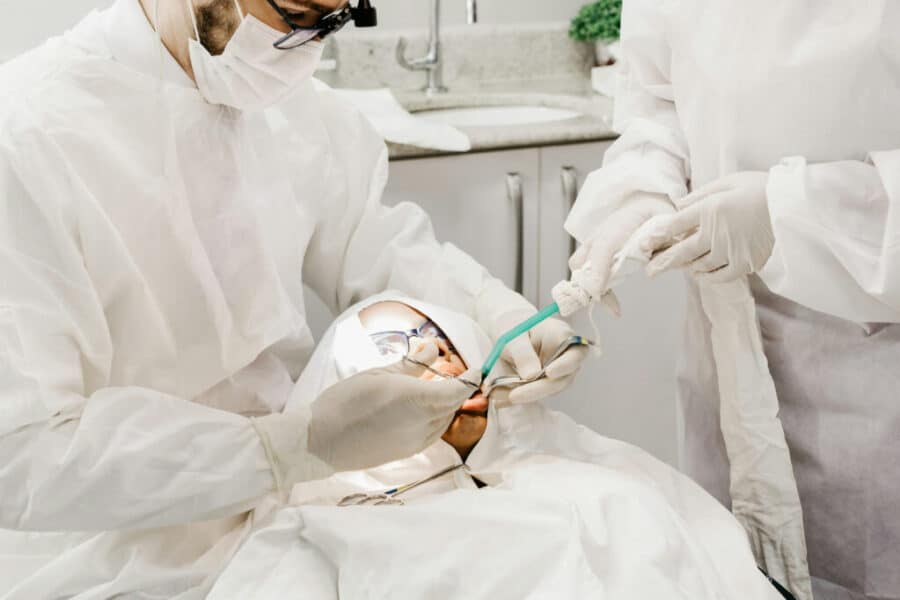
A knocked-out tooth changes the pace of a day in an instant. One minute someone is walking out of a baseball game, stepping off a curb, or trying to open a package with their teeth. The next, there is blood, pain, panic, and a permanent tooth in the wrong place. In Bakersfield, where active kids, high school sports, agricultural work, and everyday falls all create real opportunities for dental trauma, knowing what to do in the first few minutes can make the difference between saving a tooth and losing it for good.
When people search for an Emergency Dentist Bakersfield CA, they are usually not browsing casually. They are trying to solve a problem that feels urgent, visible, and frightening. A knocked-out tooth, called an avulsed tooth, is one of the most time-sensitive dental emergencies there is. The response has to be fast, but it also has to be correct. Good intentions sometimes cause more damage than the accident itself.
The first thing to understand is simple: a permanent tooth that has been completely knocked out can sometimes be replanted and saved. A baby tooth usually should not be replanted. That distinction matters, especially for parents whose first instinct is to push the tooth back in no matter what. Age, timing, contamination, and the condition of the root all affect the outcome, but speed and gentle handling are the two factors you can control right away.
Why a knocked-out tooth is a true emergency
A tooth is not just a piece of enamel sitting in the mouth. Beneath the crown is a living root supported by tiny periodontal ligament fibers. Those fibers help the tooth reconnect if the tooth is placed back into the socket quickly and handled carefully. Once they dry out or are crushed, the odds of long-term survival drop sharply.
That is why dentists move quickly when a front tooth is knocked out. There is often a short window, sometimes measured in less than an hour, where prompt action gives the best chance of saving the tooth. That does not mean all hope is lost after that point, but delay stacks the odds against a good result.
The visual shock of a missing front tooth also drives urgency. Adults worry about appearance and speech. Teenagers often feel embarrassed before they even feel pain. Parents tend to fixate on the blood, which can look dramatic even when the injury is manageable. In the operatory, those emotional details matter because a frightened patient will often clamp down, spit, cry, or refuse to let anyone examine the area. Calm instructions are part of treatment.
What to do in the first few minutes
If a permanent tooth has been knocked out, the next few actions matter more than almost anything that happens later in the dental visit.
- Pick up the tooth by the crown, not the root.
- If it is dirty, rinse it gently with milk or clean water for a few seconds. Do not scrub it.
- If the patient is alert and cooperative, place the tooth back into the socket right away and have them bite gently on clean gauze or cloth.
- If you cannot reinsert it, keep the tooth moist in cold milk, saline, or inside the patient’s cheek if they are old enough not to swallow it.
- Call an emergency dentist immediately and head in without delay.
Those five steps sound straightforward, but under stress people often make avoidable mistakes. They wrap the tooth in a paper towel. They scrub the root until it looks clean. They drop it into a cup of tap water and leave it there for an hour. They set out to “wait and see” if the bleeding slows down first. None of that helps. Teeth dry out quickly, and root surfaces do not tolerate rough handling.
Milk is often recommended because it is easy to find and less damaging to tooth cells than plain water. Saline works well if available. Specialized tooth preservation kits exist, but most families do not have one in the car or sports bag when the accident happens. If the patient is mature enough, tucking the tooth inside the cheek can work for a short trip, but that option is not safe for young children or anyone who may accidentally swallow or aspirate it.
Permanent tooth or baby tooth, the answer changes
One of the most important judgment calls is figuring out whether the knocked-out tooth is permanent. For younger children, that is not always obvious in the moment. If a six-year-old loses a front tooth after a fall, it may be a permanent incisor just erupting, or it may still be a primary tooth depending on timing and development.
A baby tooth is generally not replanted because doing so can injure the developing permanent tooth underneath. This is one of those situations where a parent’s instinct to act fast needs to be guided by the right information. If there is any doubt, place the tooth in milk and call a dental office immediately for instructions while traveling in. Better to preserve options than to make a rushed assumption.
For teenagers and adults, a knocked-out front tooth is almost always permanent and should be treated as an urgent save-the-tooth situation. Premolars and molars can be trickier for non-dentists to identify, but the same basic rule applies. If it is a permanent tooth, time matters.
What an emergency dentist in Bakersfield will do
At an appointment for dental trauma, the first goal is not cosmetic perfection. It is stabilization. A dentist will examine the tooth, the socket, surrounding gums, and neighboring teeth. X-rays are usually taken to check for root fractures, bone damage, or tooth fragments lodged in the area. Sometimes the tooth is still in one piece but nearby teeth have also been loosened or intruded into the jaw.
If the tooth has already been placed back into the socket, the dentist will verify positioning, clean the area as needed, and typically splint the tooth to adjacent teeth with a flexible stabilizing material. If the tooth has been transported separately and remains suitable for replantation, the socket may be gently irrigated and the tooth repositioned. Local anesthetic is often used, especially if there is significant soft tissue injury.
A tetanus update may be discussed if the accident involved soil contamination, a playground, a sports field, or a worksite injury. Antibiotics are sometimes prescribed depending on the case. Pain control recommendations are tailored to the patient’s age, health, and extent of trauma.
Many patients are surprised to learn that replanting the tooth is not the end of treatment. Follow-up matters. A tooth that has been knocked out often requires monitoring over weeks, months, and sometimes years. Root canal treatment is common for mature permanent teeth after avulsion, particularly once the tooth has been stabilized. Younger teeth with open root development may have a different prognosis and treatment pathway.
The timing question everyone asks
Patients almost always ask the same thing first: “Is it too late?”
The honest answer is that earlier is better, but the exact cut-off is not simple. Teeth replanted within about 15 to 30 minutes generally have a better chance than teeth left dry for an hour or more. That said, the dentist still needs to evaluate the situation even if more time has passed. The age of the patient, whether the tooth stayed moist, how clean it is, and the condition of the socket all matter.
A Bakersfield parent driving across town in afternoon traffic should not give up because 40 minutes have passed. A farm worker who stores the tooth in milk on the way to town should still be seen right away. Clinical outcomes do vary, but a delayed arrival is not a reason to throw the tooth away.
Mistakes that lower the chance of saving the tooth
A lot of damage happens before the patient reaches the office. The most common mistake is handling the root. Those root surface cells are delicate. Pinching, scraping, or brushing them removes the very tissue the dentist is trying to preserve. The second common mistake is letting the tooth dry out. People set it on a counter while getting shoes on, finding insurance cards, or calming down a child. Even ten or fifteen dry minutes can matter.
Another frequent problem is assuming the tooth is “just chipped” because the patient is in shock and talking clearly. Trauma rarely limits itself to one visible injury. A front tooth may be missing, but adjacent teeth can be cracked, loosened, or pushed inward. Lip lacerations may trap enamel fragments. A dental exam after trauma is never just about the empty socket.
Then there is the issue of pain medicine. Over-the-counter options like ibuprofen or acetaminophen can help, but they do not replace evaluation. Numbing the pain while waiting until the next day is a poor trade if the tooth could have been replanted the same hour.
Sports injuries, falls, and work accidents in Bakersfield
Every community has its own pattern of dental emergencies. In Bakersfield, contact https://maps.app.goo.gl/4o6QHAKDQnEHvxSE7 sports are an obvious source. Football, basketball, baseball, and skateboarding produce their share of mouth injuries. So do trampoline accidents, bicycle falls, and roughhousing in driveways and backyards.
Adults often lose teeth in less dramatic ways. A slip on a wet surface, a workplace impact, a dashboard injury during a collision, or even a stumble while carrying tools can send a tooth onto concrete. Outdoor work adds dust, debris, and delayed access to immediate care, which can complicate things. A tooth that lands in dirt is not automatically unsalvageable, but it needs careful handling and fast transport.
The lesson is practical, not theoretical. Keep your dentist’s emergency number saved before you need it. If your child plays sports, pack a small trauma kit with gauze, a clean container, and saline or a tooth preservation solution if you want to be extra prepared. Most families never use it. The ones who do are grateful they had it.
What about heavy bleeding, jaw pain, or a possible concussion?
A knocked-out tooth can happen by itself or as part of a more serious facial injury. If the patient lost consciousness, feels dizzy, is vomiting, has a severe headache, cannot open the mouth normally, or has obvious facial asymmetry, a medical evaluation may need to happen first or alongside dental treatment. The mouth is highly vascular, so bleeding often looks worse than it is, but uncontrolled bleeding or trouble breathing changes priorities immediately.
Here are situations where emergency medical care may need to come before the dental chair:
- Loss of consciousness or suspected concussion
- Difficulty breathing or swallowing
- Uncontrolled bleeding after firm pressure
- Suspected jaw fracture or facial fracture
- Severe drowsiness, confusion, or repeated vomiting
This is where experience matters. A clean avulsion after a sports collision can go straight to an emergency dentist. A vehicle crash with facial trauma may require the emergency room first, then dental follow-up as soon as medically appropriate. Families do not need to make that call perfectly under stress, but they should not ignore signs of a broader injury.
What treatment may look like after the first visit
Saving the tooth on the day of the injury is only the opening chapter. The dentist may place a flexible splint for a short period, often around a couple of weeks depending on the type of injury. During healing, patients are usually asked to eat softer foods, avoid biting directly into apples, sandwiches, crusty bread, or tough meats, and keep the area clean with gentle brushing and sometimes an antimicrobial rinse.
Follow-up x-rays check whether the tooth is staying stable and whether the root is healing appropriately. Some teeth remain functional for years after replantation. Others develop complications such as resorption, infection, ankylosis, or pulpal necrosis. Those are technical terms, but the practical meaning is straightforward: even when the initial rescue goes well, the tooth still needs close observation.
For adults, root canal therapy is commonly part of the plan. For children and adolescents with developing teeth, the dentist may try to preserve vitality when possible, though trauma biology can be unpredictable. This is one reason a calm, realistic conversation matters. The goal on day one is to preserve the best possible future, not to promise certainty.
If the tooth cannot be saved
Not every knocked-out tooth makes it. Sometimes the root is fractured. Sometimes the tooth was dry too long. Sometimes there is severe socket damage or contamination. When that happens, the discussion shifts from rescue to replacement.
In the front of the mouth, appearance matters, but function matters too. Speech changes when a front tooth is missing. Biting into food becomes awkward. The replacement plan depends on age, bone condition, neighboring teeth, and budget. A dental implant is often an excellent long-term option for adults once healing is complete, but it is not placed the same day in every trauma case. A bridge may be appropriate in some situations. A removable temporary option can help with appearance while the tissues heal and a definitive plan is made.
For younger patients whose jaws are still growing, the timeline looks different. Implant placement is usually delayed until growth is sufficiently complete, which means temporary solutions may be used for years. Families appreciate honesty here. A single traumatic event can trigger a treatment sequence that stretches across adolescence.
Preventing the next dental emergency
Mouthguards do not prevent every injury, but they reduce the odds of severe dental trauma in contact and collision sports. Store-bought guards are better than nothing. Custom guards from a dentist generally fit better, stay in place more reliably, and are more likely to be worn because they are simply more comfortable.
At home, prevention can be less glamorous and just as important. Trim trip hazards. Use stair lighting. Avoid chewing ice and opening objects with teeth, habits that make teeth more vulnerable even before trauma happens. For people in physically demanding jobs, face shields and proper protective gear matter more than most realize.
There is also a planning piece that gets overlooked. Know where to go. Search for an Emergency Dentist Bakersfield CA before the emergency, not while sitting in a parking lot with a tooth in a napkin. Find out which office offers same-day trauma care, after-hours guidance, and clear instructions for urgent injuries. In a real emergency, that preparation saves time and lowers stress.
A real-world perspective on panic and decision-making
One pattern shows up again and again with dental trauma. The people who do best are not necessarily the ones who stay perfectly calm. They are the ones who get one or two key decisions right. They keep the tooth moist. They do not scrub the root. They head straight in.
I have seen parents arrive apologizing because they were crying the whole drive, but they had the tooth in milk and called ahead. Those are often workable cases. I have also seen very composed adults carry in a dry tooth wrapped neatly in tissue after an hour and a half. Calm is helpful, but correct action is what changes the prognosis.
The same applies to self-diagnosis. Patients often focus on whether the tooth can be “put back in,” as though that is the only question. A better question is whether the entire injury has been assessed properly. Trauma can affect gums, bone, nerves, and adjacent teeth that still look normal in the mirror. Prompt professional evaluation gives you the fullest picture.
When the clock starts now
If you are dealing with a knocked-out tooth, this is not the time for internet rabbit holes or home remedies. Pick up the tooth by the crown. Keep it moist. Reinsert it if appropriate and safe to do so. Then get to an emergency dental office immediately.
For anyone in Kern County searching for an Emergency Dentist Bakersfield CA, the most important message is not complicated. A knocked-out permanent tooth is one of the few dental problems where what you do in the next five to thirty minutes can change the outcome in a lasting way. Fast, gentle, informed action gives that tooth its best chance.
Smyle Dental Bakersfield
2016 E St, Bakersfield, CA 93301, United States
+16614939040
FAQ About Emergency Dentist Bakersfield CA
What counts as a dental emergency?
Severe tooth pain, facial swelling, uncontrolled bleeding, a knocked-out or displaced tooth, and significant dental trauma may need prompt assessment. Trouble breathing or rapidly increasing swelling requires urgent medical help.
What should I do if a permanent tooth is knocked out?
Handle the tooth by the crown rather than the root, keep it moist, and contact a dentist immediately. Fast treatment can improve the chance of saving the tooth.
Can an emergency dentist treat severe tooth pain the same day?
Same-day care may be available depending on the cause and schedule. The dentist will examine the area, may take digital X-rays, and recommend treatment based on the diagnosis.
Should I go to the emergency room for dental swelling?
Seek urgent medical care for trouble breathing, difficulty swallowing, rapidly spreading facial swelling, or other severe symptoms. A dentist can assess the underlying dental cause and provide appropriate follow-up care.