Can Invisalign Improve Your Smile Without Disrupting Life?

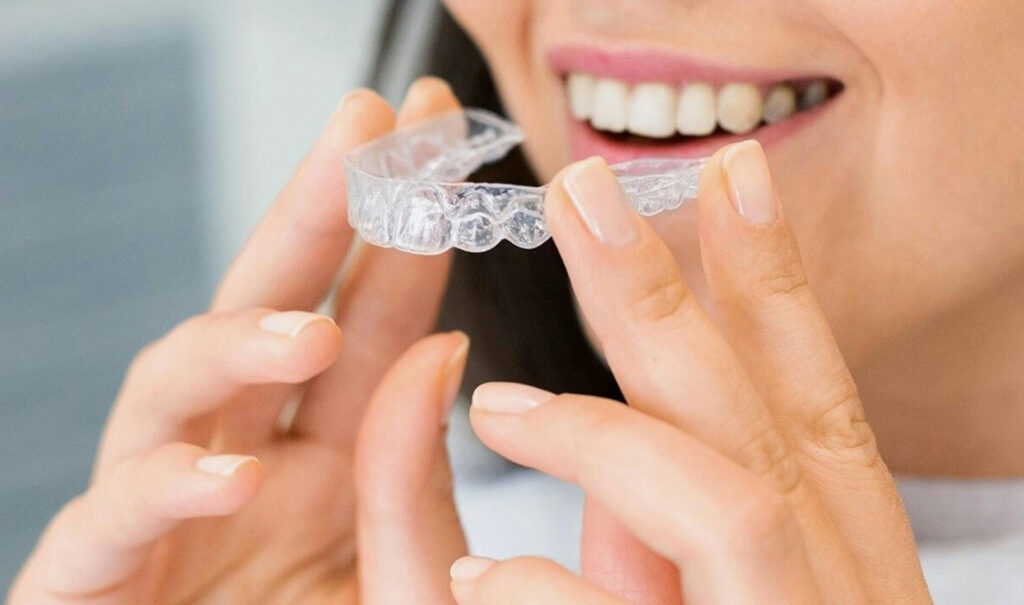
For many adults and older teens, the appeal of Invisalign is not hard to understand. The idea sounds almost ideal: straighten your teeth without metal brackets, keep a professional appearance, and fit treatment around work, school, meals, and social life. What people really want to know, though, is not whether the system exists or whether it is popular. They want to know whether it works in the real world, on ordinary weekdays, during business lunches, at weddings, on rushed mornings, and through travel, deadlines, and family routines.
The short answer is yes, Invisalign can improve your smile without dramatically disrupting life. The more honest answer is that it depends on your habits, your bite, and your expectations. Clear aligners are often less intrusive than traditional braces, but they are not effortless. They trade one kind of inconvenience for another. Instead of visible wires and bracket appointments, you manage wear time, tray changes, cleaning, and the discipline of taking them out and putting them back in.
That trade is worth it for many people. I have seen patients settle into the rhythm within a week or two and later say the treatment became as routine as wearing contact lenses. I have also seen people struggle, usually not because the aligners failed them, but because life was less predictable than they expected. A job with constant client lunches, a habit of snacking all afternoon, frequent coffee sipping, or inconsistent routines can make compliance harder than the marketing suggests.
The key question is not whether Invisalign disrupts life at all. Any orthodontic treatment asks something of you. The better question is whether the disruption is manageable, temporary, and proportionate to the improvement you want.
What Invisalign changes, and what it does not
Invisalign uses a series of custom clear aligners to move teeth gradually. Each set is slightly different from the last, nudging the teeth toward a planned position over time. In many cases, patients wear each set for about one to two weeks, though exact timing varies. The aligners are removable, which is the feature that makes them feel compatible with normal life.
That removability matters more than most people realize. You can eat without brackets catching food. You can brush and floss normally. You can remove the trays for a presentation, a short event, or photographs. If you play a wind instrument, participate in contact sports, or work in a public-facing role, that flexibility can feel like a major relief.
Still, removable means responsible. Fixed braces do their job whether you feel motivated or not. Invisalign only works well when it is worn as directed, often around 20 to 22 hours a day. That is the dividing line between smooth treatment and frustrating delays. People are sometimes surprised by how quickly the hours disappear. A leisurely breakfast, a long lunch, coffee breaks, dinner, a late-night snack, and a bit of forgetfulness can cut into wear time before the day is over.
So yes, Invisalign usually reduces social and visual disruption. It does not remove the need for commitment.
The everyday impact is lighter, but not invisible
When people picture orthodontic treatment disrupting life, they usually imagine soreness, dietary restrictions, and awkwardness in conversation. Invisalign tends to soften those issues, though not eliminate them.
The first few days with a new set of aligners can bring pressure or tenderness. That is often a sign the trays are doing their job. Most patients describe it as tightness rather than pain, and it usually settles within a couple of days. Compared with bracket adjustments, many find the discomfort easier to tolerate. It is less dramatic, but more frequent, because each tray change introduces a new phase of movement.
Speech is another common concern. Some people notice a mild lisp at first, especially with certain sounds. In most cases, the tongue adapts quickly. A teacher, attorney, sales professional, or anyone who speaks for a living may be especially aware of those early changes, but adaptation is usually faster than expected. Reading aloud for a few minutes at home can help.
Appearance is where Invisalign clearly shines for many adults. The aligners are visible up close, but they are far less noticeable than metal braces. Attachments, which are tooth-colored bumps bonded to certain teeth to help movements, can make the trays more apparent, yet they still tend to be discreet. For people who delayed orthodontic treatment for years because they did not want a conspicuous look at work or in photos, that matters.
Eating is easier than with traditional braces in one sense and more structured in another. You can eat what you want because you remove the trays first. There is no list of off-limits foods such as popcorn, crusty bread, or chewy candy because nothing is attached to your teeth. On the other hand, you cannot casually graze all day unless you want to remove, store, rinse, and replace the aligners repeatedly. For some people, that is a welcome push toward more orderly meals. For others, especially habitual snackers, it feels like a daily nuisance.
Why lifestyle fit matters more than people expect
The best predictor of a smooth Invisalign experience is not age, income, or pain tolerance. It is routine. People who already have a fairly structured day often adapt well. They tend to eat at set times, keep a toothbrush nearby, and notice quickly when the aligners are not in place. People whose days are fragmented, spontaneous, or constantly interrupted may need more intentional systems.
A consultant who spends hours in meetings can make Invisalign work beautifully if they keep a travel toothbrush, case, and aligner-safe habits. A nurse on long shifts may do just as well if meal times are predictable enough. A college student with irregular sleep, late-night snacks, and frequent social events may struggle more, not because the treatment is harder biologically, but because consistency is harder behaviorally.
Coffee deserves special mention because it comes up often. Many adults sip coffee over long stretches, sometimes most of the morning. That pattern does not pair well with aligners. Hot drinks can warp plastic, dark drinks can stain it, and sugar trapped under trays is not ideal for dental health. Some patients switch to drinking coffee with meals, remove the trays for a shorter, dedicated break, then brush and reinsert. That change alone can feel bigger than they expected. For tea drinkers, energy drink users, and people who enjoy frequent soft drinks, the same issue applies.
Travel introduces another layer. Time zones, airport meals, long flights, and packed schedules can interrupt tray changes and wear time. It is manageable, but only with planning. The people who do best usually keep spare cases, cleaning supplies, and their next aligner set in a carry-on rather than checked luggage. They do not assume they will improvise successfully at 30,000 feet.
Who usually finds Invisalign easy to live with
Certain habits and expectations make treatment smoother from the start. Patients tend to do well when they can honestly say most of the following apply to them:
- They are comfortable wearing the aligners at least 20 to 22 hours a day.
- They usually eat meals rather than snack constantly.
- They are willing to brush and floss more consistently than before.
- They want discreet treatment and value the cosmetic advantage.
- Their orthodontic needs are appropriate for clear aligner therapy.
That last point matters. Invisalign can handle a wide range of cases, including many crowding and spacing issues, as well as some bite corrections. But not every case is equally efficient with aligners. There are situations where fixed braces offer more control, faster movement for certain tooth positions, or a simpler path to a stable result. A good clinician does not push everyone toward the same solution. They match the tool to the problem.
The hidden discipline behind the convenience
What makes Invisalign convenient also creates its main vulnerability. You can remove it. That freedom is exactly why it fits around meals and social events. It is also why treatment can stall.
A patient might wear aligners faithfully Monday through Thursday, then get loose on the weekend. A wedding, brunch, drinks with friends, and a long dinner can quietly shave hours off wear time. One weekend is not a disaster, but repeated small lapses add up. Teeth do not move on intention. They move on consistent force over time.
There is also a psychological pattern that shows up often. Because Invisalign is less visible and often less uncomfortable, some people underestimate it. Metal braces are impossible to ignore, which can make patients more obedient by default. Clear aligners can feel optional if a person is not careful. That is when trays stop tracking properly, meaning the teeth are no longer fitting the aligners as planned. Then come refinements, extra scans, and more months than originally expected.
This is why I often think of Invisalign not as passive treatment but as active treatment. It asks for participation. For motivated patients, that is not a burden. It is simply part of the process.
What treatment feels like in real situations
Most decisions about orthodontics are not made in the abstract. They are made by people picturing their own calendar.
At work, Invisalign is often easier than braces. You can attend meetings without feeling self-conscious about brackets. If https://pastelink.net/ys25xewc you need to step into a restroom after lunch to brush before putting trays back in, that usually becomes routine quickly. Professionals in law, finance, healthcare, hospitality, and sales often appreciate how little it changes their appearance. The disruption is mostly logistical rather than social.
For dating and social events, the experience is mixed but generally favorable. Some patients remove aligners briefly for a dinner date or a big event, then put them back in afterward. Others keep them in the entire time because they are barely noticeable and they do not want to lose wear hours. Both approaches can work if they are occasional rather than constant. The main issue is remembering the case. Wrapping aligners in a napkin at a restaurant is one of the most common ways people lose them.
Parents often ask whether Invisalign is easier for teenagers. Sometimes yes, sometimes no. Responsible teens who care about appearance often love the subtle look and the ability to eat normally. Younger patients who misplace things, skip routines, or resent rules may do better with braces simply because braces cannot be left in a lunch tray. Maturity matters more than age alone.
For physically active people, Invisalign has some practical advantages. The aligners themselves have no metal edges, so cheek irritation may be lower. If a person wears a sports mouthguard, treatment needs coordination, but the day-to-day orthodontic experience is still often easier than with brackets. Musicians, especially wind instrument players, frequently find aligners less disruptive than braces after the adjustment period.
Cost, time, and the idea of convenience
People often assume convenience means faster or cheaper. It does not necessarily mean either.
Invisalign can cost about the same as braces in some practices, more in others, and occasionally a bit less for minor treatment. Fees depend on complexity, geography, and the provider’s treatment approach. A small cosmetic alignment case is different from a comprehensive bite correction. Anyone comparing options should focus on total treatment plan value rather than the sticker shock of a brand name.
Treatment time also varies. Minor cases may finish in several months. More comprehensive cases can take a year or two, similar to braces. What changes is not always the calendar length, but the patient experience during that time. If aligners help someone feel comfortable smiling at work, eating more normally, and avoiding repeated wire emergencies, that quality-of-life difference can be significant even when total treatment time is comparable.
Convenience, then, should be defined carefully. It rarely means zero interruption. More often, it means fewer visible changes, fewer dietary restrictions, easier hygiene, and greater control over when the treatment is noticeable.
Hygiene is often better, if you follow through
One underrated benefit of Invisalign is that oral hygiene can be better than with braces. Because the trays come out, brushing and flossing are more straightforward. There are no wires to thread around, no brackets trapping debris, and fewer surprise discoveries after lunch.
That said, the hygiene burden does not disappear. It shifts. Aligners need cleaning. Teeth should be reasonably clean before trays go back in. If you drink sweetened beverages and then seal that environment under plastic, you are creating conditions your enamel may not appreciate. Patients with a history of cavities or inconsistent home care need to take that seriously.
For many adults, the treatment becomes the nudge that finally improves dental habits. They brush more often, floss more regularly, and become much more aware of what they are sipping throughout the day. That can be a genuine side benefit, not just a requirement.
There are trade-offs your provider should explain clearly
A thoughtful consultation should sound less like a sales pitch and more like a fit assessment. Invisalign is excellent for many people, but there are details worth discussing before you commit.
- Some cases need attachments, elastics, or refinement trays, which can make treatment more involved than expected.
- Wearing trays inconsistently can lengthen treatment and compromise results.
- Aligners can be lost, cracked, or forgotten, especially during travel or meals out.
- Certain tooth movements may still be more predictable with braces.
- Retainers after treatment are essential, because teeth can shift back whether you used aligners or braces.
Retention is especially important. Straightening teeth is only half the job. Keeping them straight is the long-term commitment. Patients are sometimes surprised that retainers are not optional after active treatment. They are part of protecting the investment, whether your teeth were moved with clear aligners or traditional braces.
When Invisalign may not be the least disruptive option
It is easy to assume removable equals easier for everyone. That is not always true.
If someone knows they are unlikely to wear aligners enough, fixed braces may actually be less disruptive overall because they remove the daily decision-making. The appearance may be less discreet, but the treatment can move forward more reliably. Similarly, if a case is complex and likely to require many refinements with aligners, braces may offer a more direct route.
There is also the issue of stress tolerance. Some people dislike the feeling of having to manage one more thing. For them, remembering trays, cleaning them, storing them, and monitoring wear time feels mentally tiring. Others prefer exactly that sense of control. Neither personality is wrong, but the difference matters.
A good treatment choice should fit your life as it is, not your best-case fantasy version of yourself. If you are choosing Invisalign because you imagine a level of routine you have never actually maintained, pause and think carefully. If you already keep up with structured habits, it may be a very comfortable fit.
What a successful Invisalign experience usually looks like
The smoothest cases tend to share a few patterns. The patient understands the plan, expects a learning curve, and builds small systems early. They keep a case with them. They brush after meals when possible. They avoid casual tray-free drifting. They contact the office when something seems off instead of hoping it resolves on its own. By month two or three, the process often feels normal.
And that is really the heart of the matter. Invisalign does not erase orthodontic treatment from your life. It minimizes the parts many people dislike most and places more of the process in your hands. For adults who want a more discreet path to a better smile, that can be a very attractive exchange. For disciplined patients, the disruption is usually modest. For less consistent patients, the very flexibility that seems appealing can become the source of delay.
If your teeth are a good clinical match and your habits are strong enough to support the schedule, Invisalign can absolutely improve your smile without upending your routine. It works best not when life is perfect, but when you are realistic about how you live and willing to make a few durable adjustments. That is usually enough. Over time, those small daily choices turn into the larger change most people were hoping for all along: a smile that looks better, functions better, and feels worth the effort it took to get there.
Omni Dental Specialty
Address: 1690 E Gonzales Rd, Oxnard, CA 93036
Phone number: +18053666000
FAQ About Invisalign
How much does Invisalign actually cost?
The out-of-pocket cost for Invisalign typically ranges between $3,000 and $8,000, with most patients paying a national average of roughly $5,100 to $5,700 before insurance.
What is the downside to Invisalign?
The biggest downsides to Invisalign are the intense discipline required to wear the trays 22 hours a day, the inconvenience of removing them to eat or drink, and the inability to fix severe, complex orthodontic issues.
Is $5000 a lot for Invisalign?
No, $5,000 is not considered a lot for Invisalign; it is exactly the national average. Treatment costs typically fall between $3,000 and $8,000, and $5,000 is the standard fee for a moderately complex case that takes 6 to 18 months to complete.